
Should “Orgo” Go? Rethinking Organic Chemistry as a Medical School Requirement
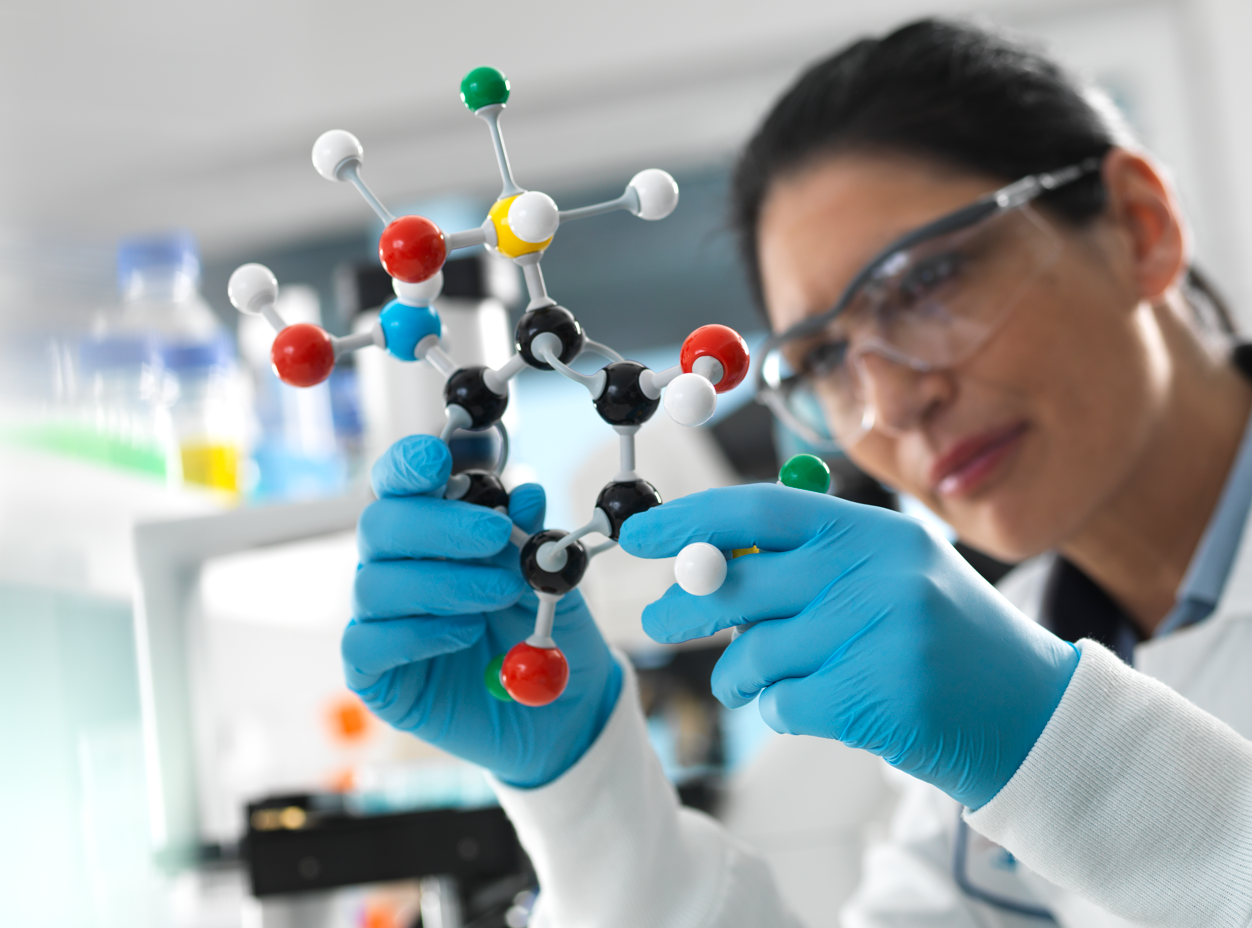
📘 Why Organic Chemistry Still Sparks Debate
Organic chemistry — often called “orgo” — has long been considered one of the most challenging courses for pre‑med students. Its emphasis on 3D molecular visualization and reaction mechanisms requires a type of abstract thinking that many students struggle with, even if they excel in other science courses.
Because most U.S. medical schools still require at least one semester of organic chemistry, students who perform well in biology, physiology, or psychology but struggle with orgo may find themselves shut out of the application process. This can disproportionately affect humanities majors and students with diverse academic backgrounds, ultimately narrowing the applicant pool.
As medical schools continue to modernize their curricula, many applicants are asking an important question: Does organic chemistry still deserve its place as a core admissions requirement?
📊 The Current Landscape: How Many Medical Schools Still Require Orgo?
Organic chemistry remains a standard prerequisite, but the landscape is slowly shifting.
Updated statistics (2024–2025):
• According to the AAMC’s Medical School Admission Requirements (MSAR), over 80% of U.S. MD programs still require at least one semester of organic chemistry, often with lab.
• Roughly 40–50% of DO programs require one semester; fewer require a full year.
• Only a small number of schools now allow biochemistry or integrated chemistry courses to substitute for a second semester of orgo.
• The MCAT’s Chemical and Physical Foundations section includes approximately 15–20% organic chemistry–related content, significantly less than older editions that emphasized orgo more heavily.
While orgo is no longer the MCAT powerhouse it once was, it remains deeply embedded in the traditional pre‑med pathway.
🧬 Why Organic Chemistry Became a Requirement
Organic chemistry has historically been viewed as a “gatekeeper” course — a way to test analytical reasoning, problem‑solving, and the ability to learn complex systems. It also provides foundational knowledge for:
• Biochemistry
• Pharmacology
• Metabolism
• Molecular biology
Dr. Wayne Shelton, Senior Consultant for AdmissionsConsultants, notes that orgo has long been considered a core scientific competency for future physicians. The AAMC still states that most medical schools expect applicants to complete “two years of chemistry, including organic chemistry.”
However, as medical education evolves, many experts question whether orgo is still the best predictor of success in medical school.
🧠 Does Organic Chemistry Actually Matter in Medical School?
Here’s the surprising truth: Most medical students rarely use organic chemistry in their coursework.
Medical school curricula focus heavily on:
• Biochemistry
• Physiology
• Anatomy
• Pathology
• Pharmacology
While some biochemical pathways rely on organic chemistry principles, the majority of medical students report that orgo plays a minimal role in their day‑to‑day studies.
This raises an important question: If organic chemistry is not widely used in medical school, should it remain a barrier to entry?
🔄 Are Medical Schools Updating Their Requirements?
Yes — slowly, but meaningfully.
Examples of evolving requirements:
• Harvard Medical School now accepts interdisciplinary “chemistry‑biology” courses in place of traditional two‑semester chemistry sequences.
• Icahn School of Medicine at Mount Sinai allows applicants to substitute biochemistry for organic chemistry.
• Several schools now require one semester of orgo + one semester of biochemistry, instead of a full year of orgo.
• A growing number of programs emphasize competency‑based admissions, allowing students to demonstrate readiness without strict course lists.
An Ivy League admissions official recently noted that while organic chemistry remains important, integrated coursework that teaches chemical reactivity within biological systems may be equally acceptable.
The trend is clear: medical schools are slowly shifting toward biochemistry‑centered preparation.
🧪 Could Biochemistry Replace Organic Chemistry?
Many educators argue yes.
Biochemistry:
• Is more directly relevant to medical school
• Builds on general chemistry concepts
• Aligns with the MCAT’s increased emphasis on biological and biochemical foundations
• Better reflects modern medical science
Dr. Stanley Robertson, a veterinarian, suggests that biochemistry is a more practical and clinically relevant prerequisite than organic chemistry — a view shared by many admissions professionals.
🌍 Why Reforming Requirements Could Benefit the Medical Field
Removing or reducing the organic chemistry requirement could:
• Increase diversity in academic backgrounds
• Attract more humanities and social science majors, who bring valuable communication and empathy skills
• Reduce barriers for otherwise strong applicants
• Better align pre‑med coursework with modern medical education
• Encourage interdisciplinary learning, which is increasingly important in healthcare
A broader applicant pool means a more diverse physician workforce — something the healthcare system urgently needs.
🎯 Final Thoughts: Should Organic Chemistry Stay or Go?
Organic chemistry has played a major role in medical school admissions for decades, but the field of medicine is evolving. While orgo still provides valuable scientific reasoning skills, many experts agree that biochemistry and integrated science courses may better prepare students for today’s medical curriculum.
As more medical schools modernize their prerequisites, applicants may soon see greater flexibility — and a more inclusive pathway to becoming a physician.
📣 Are You Applying to Med School?
If you’re preparing for medical school and want expert guidance on prerequisites, course planning, MCAT strategy, or strengthening your overall application, AdmissionsConsultants is here to help you navigate every step with clarity and confidence. Our experienced advisors understand how evolving requirements — including organic chemistry and its potential alternatives — impact your competitiveness.
👉 Call us at 1.800.809.0800 or click the “Book a Meeting” link below!