
LSAC Monopoly Lawsuit Dismissal: What It Means for Law School Applicants
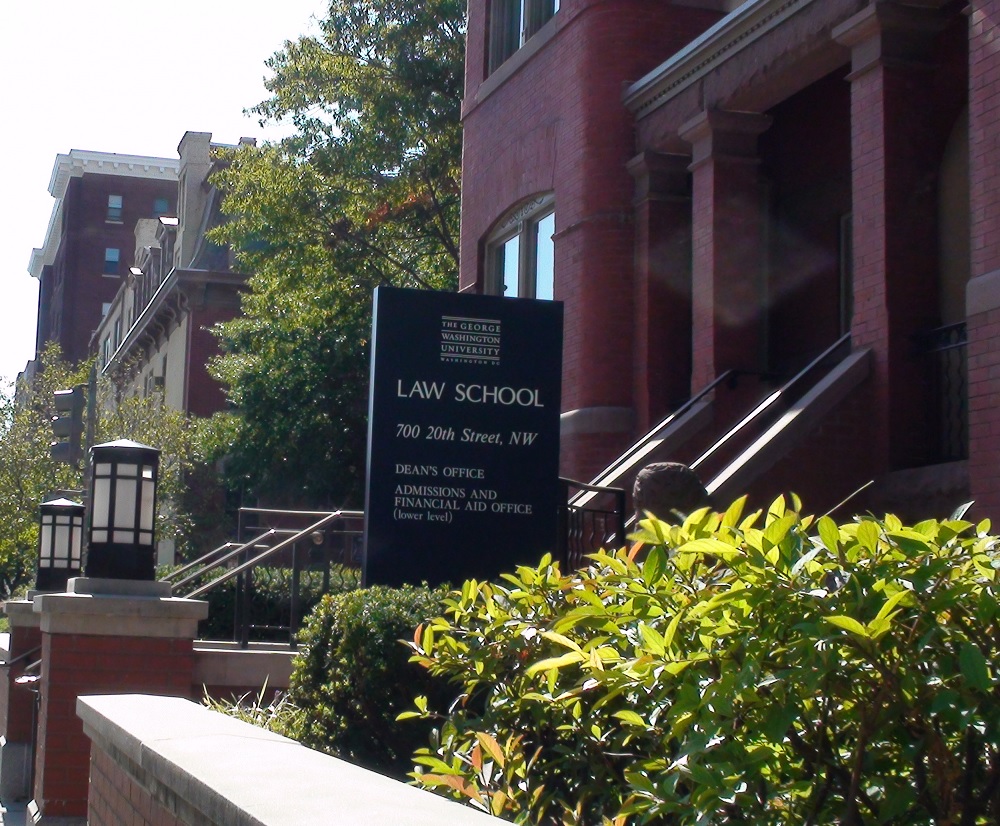
Still “business as usual” after lawsuit dismissal for law school applicants.
The recent dismissal of the antitrust lawsuit accusing the Law School Admission Council (LSAC) of operating a monopoly will not significantly change the application process for next year’s law school applicants. The core systems — the LSAT, Credential Assembly Service (CAS), and LSAC’s centralized application platform — will continue operating exactly as before.
The lawsuit, filed in federal court, alleged that LSAC fixed prices and used its position to overcharge applicants through mandatory CAS fees and per‑school report fees. Plaintiffs argued that LSAC’s exclusive role created a “pay‑to‑play” system that suppressed competition and inflated costs.
With the case dismissed, LSAC’s current structure remains intact — meaning applicants will continue using LSAC’s platform and paying the same associated fees.
🧑⚖️ What the Lawsuit Was About
The lawsuit claimed LSAC:
• Fixed prices for application processing
• Required applicants to use its Credential Assembly Service (CAS)
• Charged high fees, including a $215 subscription and $45 per‑school report
• Maintained exclusive agreements with law schools that prevented competition
Plaintiffs argued that LSAC’s system generated tens of millions in revenue annually and left applicants with no alternative platform.
LSAC denied all allegations and maintained that its services expand access to legal education.
📉 How the Dismissal Affects Next Year’s Applicants
1. No changes to LSAT or CAS fees
Because the lawsuit was dismissed, LSAC’s fee structure remains the same. Applicants will still pay the CAS subscription and per‑school report fees.
2. No alternative application platforms
Law schools will continue requiring LSAC’s centralized system. The dismissal means no new competitors will enter the market in the near term.
3. No immediate reduction in application costs
The lawsuit had the potential to lower costs if competition were introduced. With the case dismissed, applicants should not expect fee reductions.
4. No changes to admissions timelines or processes
The LSAT, score reporting, and application submission process will remain unchanged.
🔍 Could This Change in the Future?
While this lawsuit was dismissed, the scrutiny around LSAC’s role is unlikely to disappear. Similar antitrust concerns have been raised in other professional admissions systems, such as medical school admissions.
If future cases gain traction, applicants might eventually see:
• Lower fees
• More application platform options
• More transparent pricing
But none of these changes will affect next year’s cycle.
🎯 What Applicants Should Do Now
Since the system remains unchanged, applicants should:
• Budget for CAS and per‑school report fees
• Plan their LSAT timeline early
• Apply strategically to avoid unnecessary costs
• Use fee waivers if eligible
The dismissal means the familiar LSAC‑run process will continue — so applicants should prepare accordingly.
🎓 Need Expert Help Navigating Law School Admissions?
AdmissionsConsultants has helped thousands of applicants build competitive applications, choose the right schools, and navigate LSAC’s system efficiently.
👉 Call us at 1.800.809.0800 or click the “Book a Meeting” link below!