
🏥 Yale Med School Found Guilty of Admissions Discrimination — What Applicants Need to Know
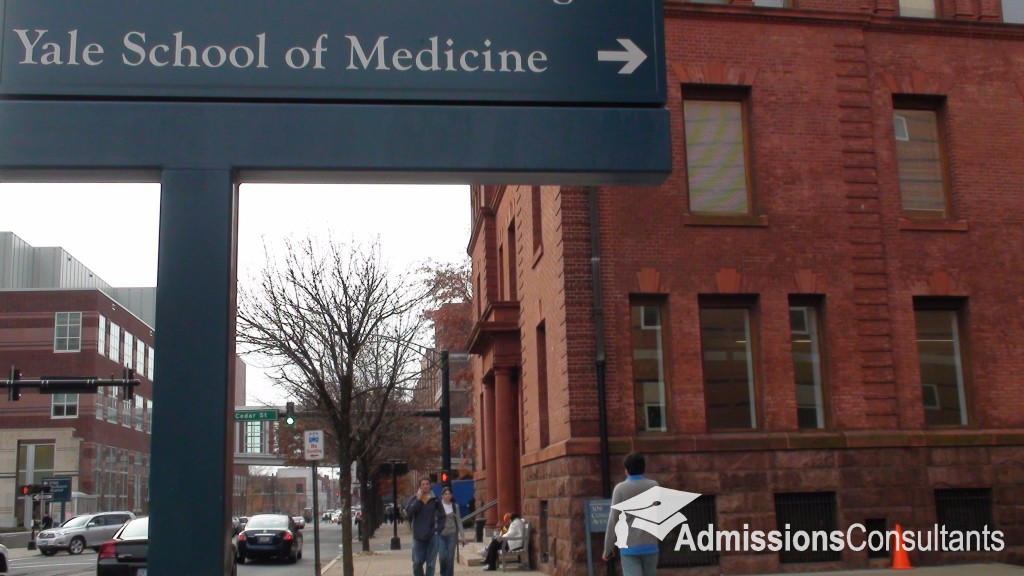
Recent findings against Yale School of Medicine have concluded that the institution engaged in unlawful discrimination in its admissions process. This follows a similar ruling involving UCLA’s medical school, and together these cases signal a major shift in how medical schools may be evaluated — and potentially held accountable — for their admissions practices.
For medical school applicants preparing for the upcoming cycle, these developments raise important questions about how schools will adjust their processes, how applicants may respond, and what this means for the broader admissions landscape.
⚖️ What the Yale Ruling Means
Federal investigators determined that Yale’s medical school used admissions practices that violated anti‑discrimination laws. While the specifics of the case are still unfolding publicly, the ruling reinforces a broader national trend: medical schools are under increasing scrutiny to ensure their admissions processes comply with federal law and recent court decisions.
This ruling does not exist in isolation — it is part of a growing pattern.
🏛️ How UCLA’s Earlier Finding Fits into the Trend
Before Yale, UCLA’s medical school faced similar findings regarding its admissions practices. That case raised questions about:
• How medical schools evaluate applicants
• Whether certain practices unintentionally or unlawfully disadvantage specific groups
• How institutions document and justify their admissions decisions
With Yale now facing its own ruling, we believe additional investigations will follow at other institutions.
🔍 Why More Findings May Be Coming
Several factors suggest that Yale and UCLA may not be the last schools examined:
1. Increased Federal Oversight
Regulators are reviewing admissions processes more closely following recent Supreme Court decisions restricting the use of race in admissions.
2. Greater Transparency Requirements
Medical schools must now demonstrate that their admissions criteria are:
• Legally compliant
• Consistently applied
• Documented clearly
3. Broader Public and Legal Pressure
Advocacy groups and applicants are more likely to file complaints or request investigations when they believe admissions practices may be unfair.
🧬 How Many Applicants May Now Apply with Accurate Racial Identification
One of the most immediate effects of these rulings is behavioral: More applicants may choose to report their racial or ethnic identity accurately and confidently, without fear that doing so could disadvantage them.
Historically, some applicants have expressed uncertainty about whether self‑identification could help or hurt their chances. With increased scrutiny and clearer legal boundaries, applicants may feel more secure that:
• Their identity will not be used unlawfully
• Admissions decisions must be based on permissible, race‑neutral criteria
• Schools must justify their decisions with transparent, compliant processes
This could lead to more complete and accurate demographic reporting in the upcoming cycle.
🎯 How These Rulings May Impact Medical School Admissions This Fall
1. Schools Will Recalibrate Their Admissions Policies
Expect medical schools to:
• Update training for admissions committees
• Review evaluation rubrics
• Increase documentation of decision‑making
• Emphasize race‑neutral factors such as adversity, service, and mission alignment
2. Applicants May See More Emphasis on Experience and Mission Fit
With race‑based considerations restricted, schools may rely more heavily on:
• Clinical exposure
• Research experience
• Community service
• Personal statements
• Overcoming adversity
Applicants should highlight these elements clearly and authentically.
3. Admissions Could Become More Competitive at Some Schools
As policies shift, some institutions may:
• Adjust their class‑building strategies
• Place greater weight on academic metrics
• Increase transparency in their evaluation criteria
4. Applicants Should Prepare for a More Structured, Documented Process
Expect:
• More standardized interview rubrics
• Clearer evaluation frameworks
• More consistent scoring systems
🎓 Need Expert Help Navigating These Admissions Changes?
AdmissionsConsultants has over 30 years of experience guiding applicants through complex and evolving admissions landscapes — including major legal and policy shifts.
We can help you:
• Build a compliant, compelling application
• Strengthen your essays and experiences
• Understand how these rulings affect your competitiveness
• Develop a strategic school list for the new admissions environment
👉 Call us at 1.800.809.0800 or click the “Book a Meeting” link below!