
Should Parents Hold Their Children Back for Sports? What College Applicants and Their Parents Need to Know
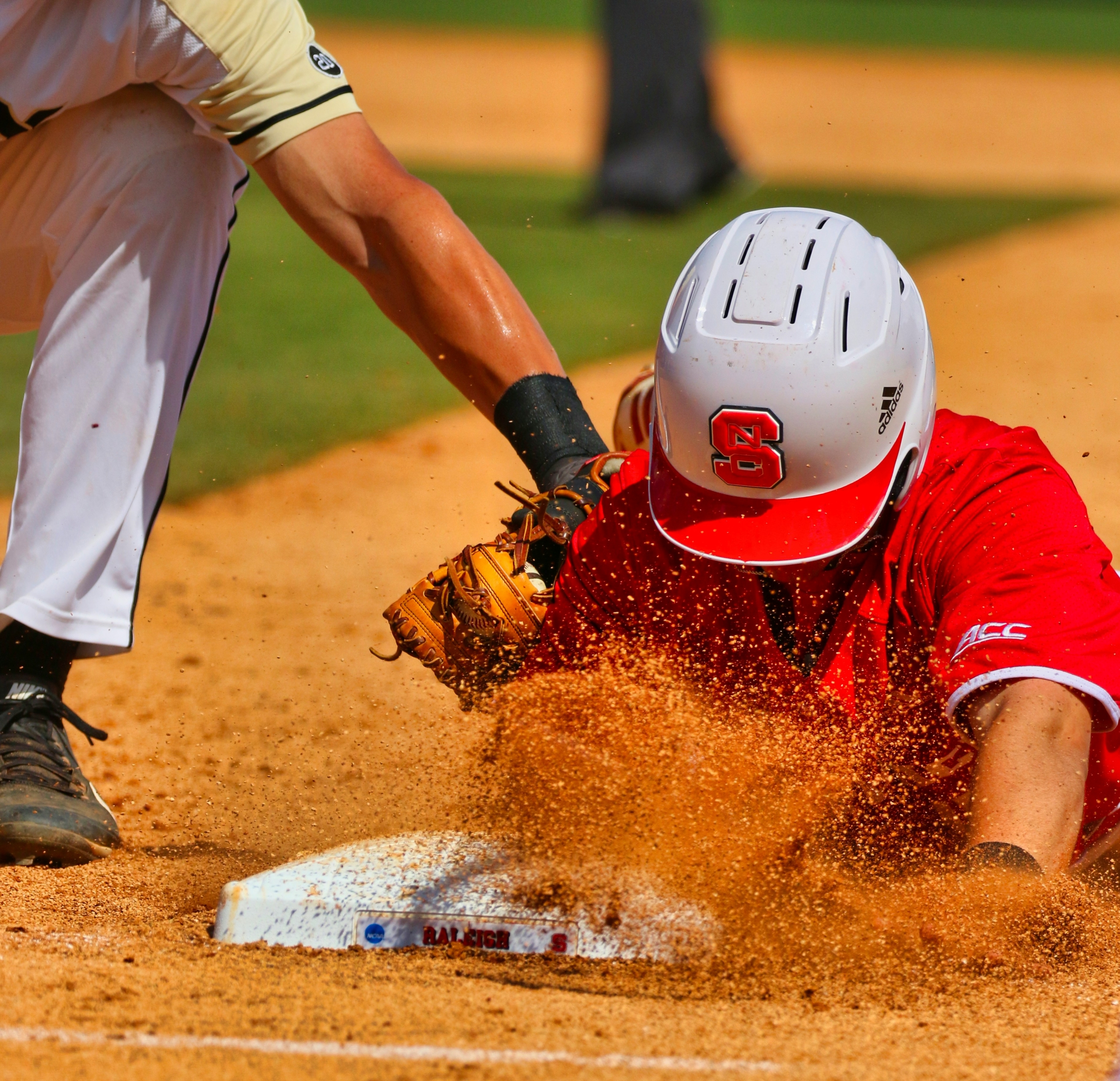
In recent years, more families have considered holding children back a grade for athletic reasons—a practice often called redshirting. The idea is simple: give a child an extra year to grow physically, mature emotionally, and gain a competitive edge in sports. But as college admissions, college athletics, and NIL opportunities become more competitive, families are asking whether this strategy actually works.
For college applicants and their parents, understanding the realities behind athletic redshirting is essential. Here’s how common the practice is, who it affects most, whether it helps with college recruiting or NIL, and how colleges view applicants who were held back for sports.
How Common Is Redshirting for Sports?
Academic redshirting has existed for decades, but athletic redshirting has grown significantly, especially in competitive youth sports such as:
• Football
• Basketball
• Lacrosse
• Hockey
• Baseball
Estimates vary, but youth‑sports organizations suggest that 5–10% of athletes in competitive programs have been held back at least once for athletic reasons. In elite sports environments—such as travel teams or private schools—the percentage can be even higher.
Does It Happen More Often with Boys or Girls?
Athletic redshirting is far more common among boys.
Why boys are held back more often
• Boys’ sports often emphasize size, strength, and physical maturity.
• Football, basketball, and hockey—sports where physical development matters—are male‑dominated.
• Parents of boys are more likely to believe an extra year will improve scholarship chances.
Girls are redshirted too, especially in soccer, volleyball, and basketball, but the rates are significantly lower.
Does Holding a Child Back Help with College Recruiting?
This is where the picture becomes more complicated.
When it can help
Redshirting may provide short‑term advantages in:
• Physical development
• Confidence
• Skill refinement
• Leadership opportunities
• Playing time
Older athletes often stand out more in middle school and early high school, which can lead to stronger early recruiting attention.
But here’s the reality
By junior and senior year, college coaches evaluate athletes against national talent, not just their age group. Coaches care about:
• Skill level
• Athletic potential
• Work ethic
• Game IQ
• Performance against top competition
Being older rarely matters at that stage.
Does it help with NIL?
Not typically. NIL deals reward:
• Exceptional talent
• Strong personal branding
• Social media presence
• High‑profile performance
Age has little to do with NIL success.
Bottom line
Redshirting helps fewer athletes than parents expect. It may provide early advantages, but it does not guarantee:
• College recruitment
• Scholarships
• NIL deals
• Roster spots
Many athletes would have reached the same level without being held back.
Does Redshirting Backfire?
Sometimes, yes. Potential drawbacks include:
• Social challenges from being older than classmates
• Burnout from extended time in youth sports
• Pressure to perform at a higher level
• Delayed entry into college and the workforce
• Increased expectations from coaches and parents
Some athletes also plateau physically, meaning the early advantage disappears.
How Do Colleges View Applicants Who Were Held Back for Sports?
This is a key concern for families.
Admissions offices generally do not reward athletic redshirting
Colleges evaluate applicants based on:
• Academic performance
• Rigor of coursework
• Extracurricular involvement
• Personal qualities
• Essays and recommendations
Being older than peers does not improve admissions chances.
Do colleges penalize it?
No. Colleges do not punish students for being held back. But they also do not view it as an achievement.
For student‑athletes
Admissions committees focus on:
• Athletic ability
• Academic readiness
• Coach recommendations
• Fit with the team
Age is not a deciding factor.
Expert Insight
“Parents often assume that holding a child back for sports will give them an edge, but from an admissions standpoint, it rarely moves the needle. Colleges evaluate academic readiness, character, and genuine achievement—not age‑based advantages. If the extra year doesn’t clearly support the student’s overall growth, it’s unlikely to help in the long run.” — Dr. Cleo Leung, Admissions Consultant
This reflects the broader reality: colleges care about substance, not strategic age manipulation.
When Redshirting Makes Sense
While redshirting for sports alone is rarely necessary, it can be appropriate when:
• A child is significantly younger than classmates
• There are maturity or developmental concerns
• The student needs more time academically or socially
• The decision supports the child’s overall well‑being
When the motivation is holistic—not purely athletic—the outcomes tend to be more positive.
Final Takeaway
Holding a child back for sports is a growing trend, especially among boys in competitive athletic environments. While it may offer short‑term advantages, it rarely guarantees long‑term athletic success, college recruitment, or NIL opportunities. Colleges do not reward the practice in admissions, and coaches ultimately prioritize talent and potential over age.
For families considering redshirting, the most important question is not “Will this help with sports?” but rather “Is this in the best overall interest of the child?”