
🎓 UC Berkeley Law’s AI Policy: What Applicants Need to Know
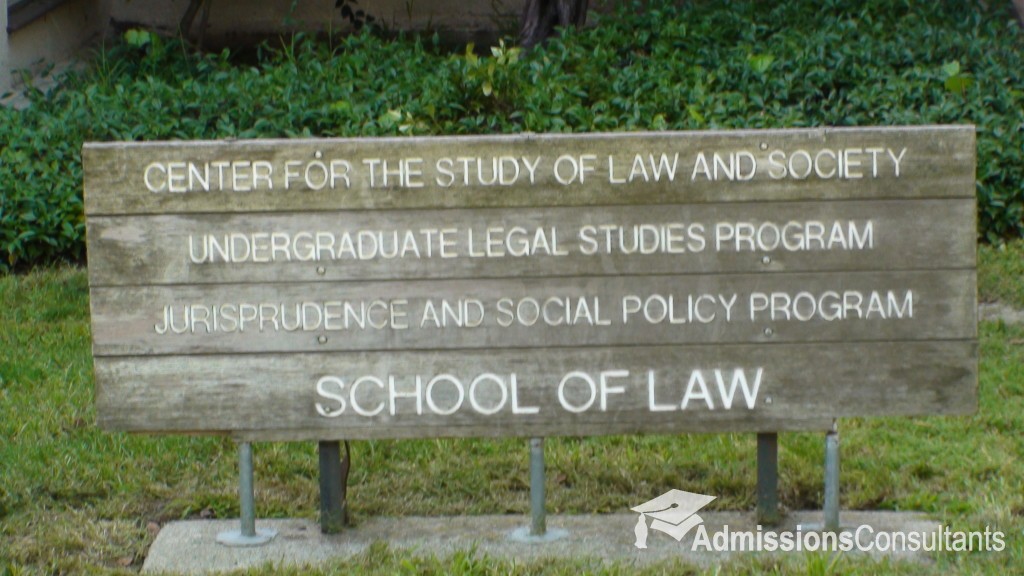
UC Berkeley School of Law — one of the nation’s most innovative legal institutions — has implemented a formal policy regulating student use of generative AI tools such as ChatGPT, Copilot, and other large‑language‑model assistants.
This move signals a major shift in how law schools expect students to engage with emerging technologies. For applicants, it’s a preview of what legal education will look like in the AI era.
📘 What Berkeley’s AI Policy Actually Says
UC Berkeley Law’s policy centers on academic integrity, skill development, and professional responsibility. While the exact language varies by course, the core rules include:
• AI cannot be used to complete graded assignments unless a professor explicitly allows it.
• AI‑generated text must be disclosed when permitted.
• Students remain fully responsible for the accuracy of any AI‑assisted work.
• Unauthorized AI use is treated like plagiarism, with identical disciplinary consequences.
In short: Berkeley recognizes AI as a powerful tool — but one that must be used ethically and transparently.
🧠 Why Berkeley Implemented This Policy
Berkeley’s decision reflects several realities shaping modern legal education:
1. Lawyers Must Master Human Reasoning
Legal analysis, argumentation, and writing are core professional skills. Over‑reliance on AI could weaken a student’s ability to think critically — a risk Berkeley wants to avoid.
2. AI Tools Can Produce Inaccurate or Fabricated Information
Generative AI sometimes “hallucinates” cases, statutes, or citations. Law students must learn to verify every source.
3. Ethical Obligations Are Changing
The ABA and state bars are already exploring rules requiring lawyers to understand AI’s risks. Berkeley wants its graduates prepared for this evolving landscape.
4. Fairness and Academic Integrity
Without clear rules, AI could create unequal advantages among students. Berkeley’s policy ensures a level playing field.
🌍 What This Means for Applicants to All Law Schools
Berkeley is not alone. Its policy is part of a national trend that will affect applicants everywhere.
1. Expect More Schools to Adopt AI Policies
Law schools nationwide are drafting similar rules. Applicants should anticipate AI‑use disclosures, honor‑code updates, and course‑specific restrictions.
2. Admissions Committees May Value Tech‑Savvy Applicants
Understanding tools like legal AI research platforms can signal readiness for the future of law practice.
3. Personal Statements Must Be Authentically Yours
Many schools already warn that AI‑generated essays violate application ethics. Applicants should use AI only for brainstorming — not writing.
4. The Legal Profession Is Evolving Quickly
Students entering law school today will graduate into a profession where AI is embedded in research, compliance, litigation support, and transactional work. Schools want students who can adapt.
⚖️ How This Shapes the Future of Legal Education
Berkeley’s policy suggests that the next generation of lawyers will need:
• Strong independent writing and reasoning skills
• The ability to evaluate AI‑generated information
• Ethical judgment about when AI use is appropriate
• Technological literacy to stay competitive
In other words, AI won’t replace lawyers — but lawyers who understand AI will replace those who don’t.
📣 Looking at Law School?
As AI reshapes legal education, law school admissions are becoming more complex — and more competitive. If you want expert guidance on navigating these changes, crafting authentic essays, and choosing the right programs, AdmissionsConsultants can help.
👉 Call us at 1.800.809.0800 or click the “Book a Meeting” link below!