
🎓 Vanderbilt University Admissions Trends: Why Applications Have Surged
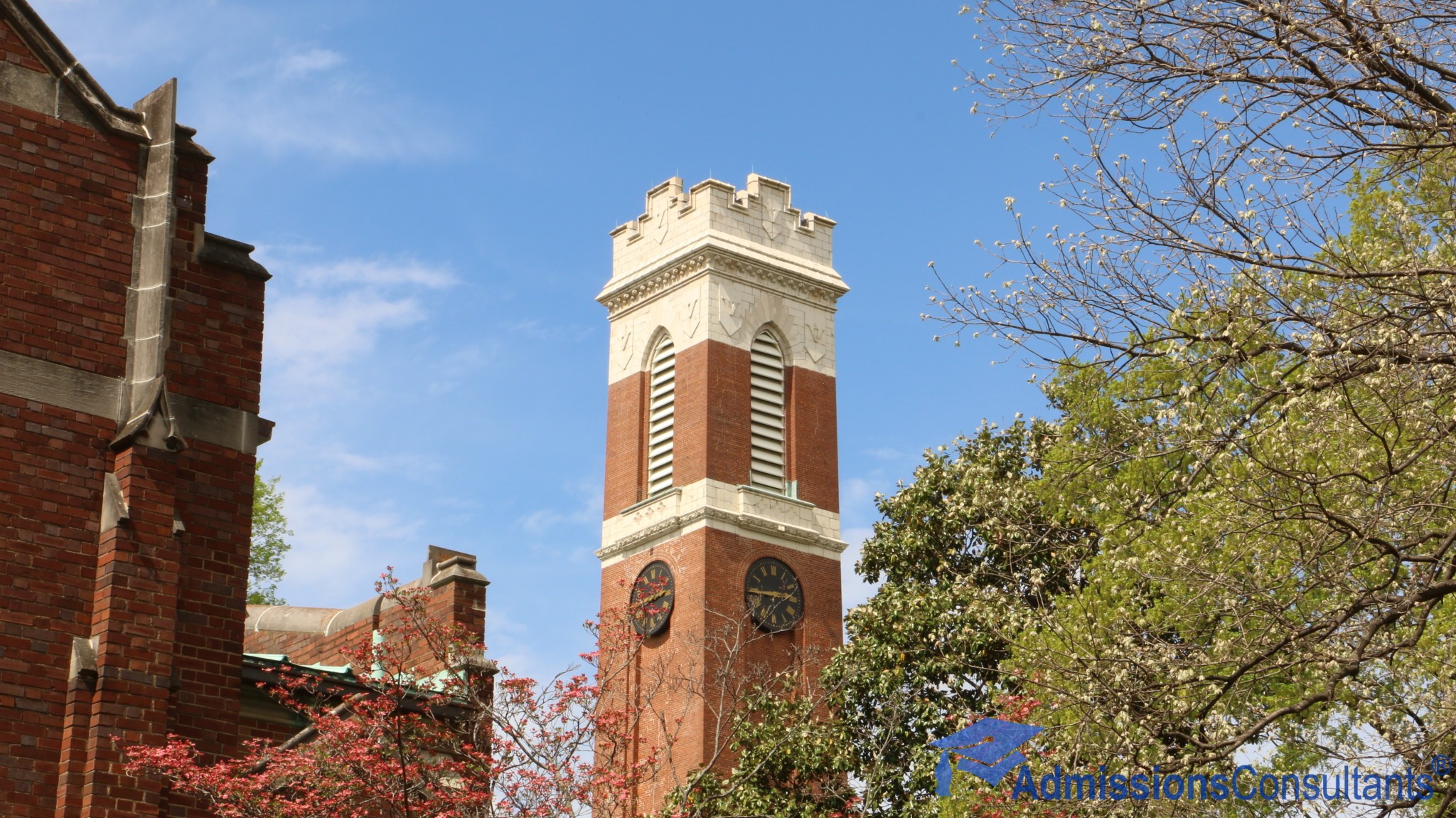
Vanderbilt University has become one of the most sought‑after and selective universities in the United States. Over the past decade, the school has seen applications rise from ~31,000 to more than 56,000, while the acceptance rate has plunged from 11.68% to 4.08%.
This dramatic shift is not accidental. Vanderbilt has made major institutional investments, strategic recruitment changes, and campus expansions that have significantly increased its national visibility and appeal.
For applicants and parents, understanding why Vanderbilt has become so competitive is essential for planning next year’s application strategy.
📈 How Vanderbilt’s Admissions Statistics Have Changed (10‑Year Overview)
Acceptance Rates Have Fallen Sharply
Vanderbilt’s acceptance rate has dropped from 11.68% (2015–16) to 4.08% (2025–26). This reflects a decade‑long trend of rising selectivity.
Applications Have Surged
Applications increased from 31,462 (2017–18) to 56,440 (2025–26). This growth has pushed Vanderbilt into the top tier of most‑applied‑to private universities.
Yield Rates Have Risen Dramatically
Yield increased from 43.7% (2015) to 63.1% (2025). This means Vanderbilt is enrolling a larger share of admitted students, strengthening its ability to shape each class.
🌟 What Vanderbilt Has Done to Increase Application Volume
Over the past decade, Vanderbilt has implemented several major initiatives that have directly contributed to rising applications and national visibility.
1. Expanded National & Targeted Recruitment Efforts
Vanderbilt has spent the past decade intentionally expanding outreach to:
• Underrepresented students
• Low‑income high schools
• Schools with high percentages of first‑generation students
Dean of Admissions Doug Christiansen confirmed that Vanderbilt admissions officers are required to visit many underrepresented and low‑income high schools, a practice the university has maintained for 10 years.
This long‑term recruitment strategy has broadened Vanderbilt’s applicant pool significantly.
2. Strengthened Diversity & Inclusion Initiatives
Vanderbilt has invested heavily in programs that support diversity, equity, and inclusion — a major draw for Gen Z applicants.
Key initiatives include:
• V-FIRST, a major NIH‑supported program to recruit and retain diverse faculty, which enhances campus culture and academic reputation.
• Expanded outreach to underrepresented students and post‑admission support programs like MOSAIC.
These efforts have helped Vanderbilt become a more inclusive and attractive destination for a wide range of applicants.
3. Major Campus Expansion & Modernization
Vanderbilt has invested in large‑scale campus improvements, including:
• Campus expansion in Nashville and beyond, as confirmed by Chancellor Daniel Diermeier.
• New construction projects and modernization efforts that enhance student life and academic facilities.
A modern, expanding campus increases Vanderbilt’s appeal to prospective students and families.
4. Dialogue Vanderbilt & High‑Profile Programming
The university has invested in Dialogue Vanderbilt, a multi‑semester initiative bringing high‑profile speakers and programming to campus.
This boosts Vanderbilt’s national visibility and positions it as a hub for intellectual and civic engagement — a major draw for academically ambitious applicants.
5. Increased Institutional Commitment to Research & Faculty Excellence
Programs like V-FIRST and other faculty recruitment initiatives strengthen Vanderbilt’s academic reputation, making it more attractive to top students interested in research and innovation.
A stronger faculty profile directly correlates with increased applications.
🔍 What These Trends Mean for Next Year’s Applicants
1. Expect Even Higher Competition
With applications rising and acceptance rates falling, next year’s cycle will likely be even more selective.
2. Early Decision Will Be More Influential
Vanderbilt admitted 920 ED students out of 7,727 ED applicants in 2025–26 — an admit rate 4.2 times higher than Regular Decision.
3. Academic Excellence Is Essential
The middle 50% SAT range is now 1510–1560, reflecting the strength of the applicant pool.
4. Demonstrated Interest Matters
Rising yield suggests Vanderbilt increasingly enrolls students who show strong interest through visits, essays, and engagement.
5. A Balanced College List Is Critical
With acceptance rates at 4%, even top students should build a diversified list.
🎯 Bottom Line for Applicants and Parents
Vanderbilt’s rise in applications and selectivity is the result of:
• Expanded national recruitment
• Major DEI investments
• Campus expansion and modernization
• High‑profile academic programming
• Stronger research and faculty initiatives
These changes have transformed Vanderbilt into one of the most competitive universities in the country.
📣 Targeting Selective Schools Like Vanderbilt?
If you want expert guidance navigating Vanderbilt’s increasingly competitive admissions landscape, AdmissionsConsultants can help you craft a compelling, strategic application.
👉 Call us at 1.800.809.0800 or click the “Book a Meeting” link below!